
Pride Go-Go Sport 4-Wheel Mobility Scooter
A compact travel scooter from Pride, one of the best-known mobility scooter brands, designed to come apart into separate pieces for loading into a car. A popular choice for outings, shopping and appointments.
Check Price on Amazon →Finding the best mobility scooter for seniors and adults means looking past marketing copy to what actually affects safety and daily usability. A mobility scooter is one of the more expensive purchases in home care equipment, which makes getting it right the first time genuinely important. The wrong choice — too heavy to transport, too unstable outdoors, or too wide for your hallways — often ends up sitting unused in a garage within months.
What Actually Matters When Choosing One
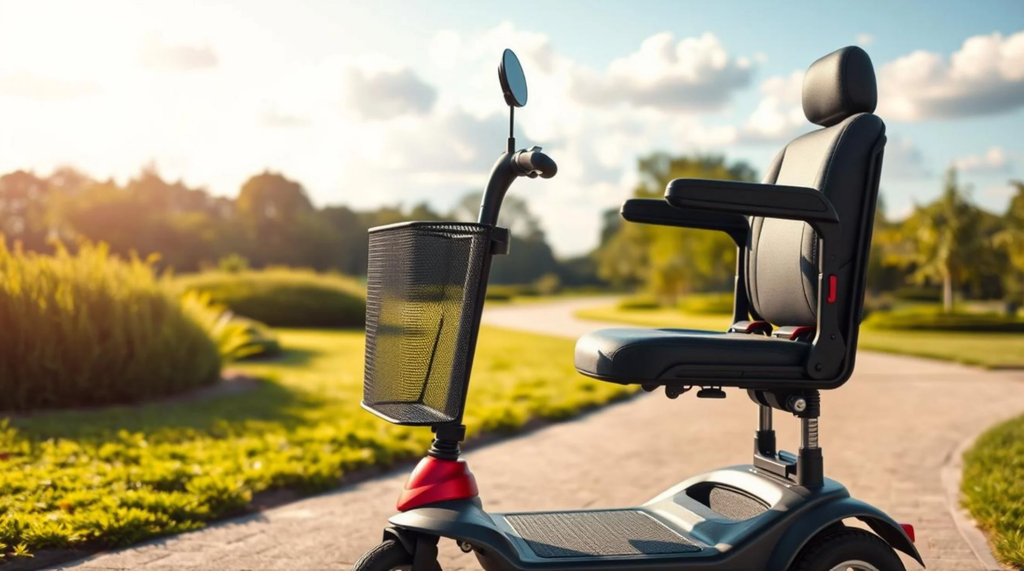
1. Three wheels vs. four wheels. Three-wheel scooters turn tighter and maneuver more easily indoors, but they’re less stable on grass, gravel, or uneven ground — tipping incidents on turns are a recurring complaint in scooter user forums. Four-wheel scooters trade a wider turning radius (typically 45-55 inches) for meaningfully better outdoor stability, especially on slopes or rough pavement.
2. Weight capacity, with real margin. Match capacity comfortably above the user’s actual weight, not right at the limit — running a scooter near its maximum rated capacity strains the motor and frame over time and affects handling.
3. Range per charge. This varies widely, from around 10-12 miles on compact/travel scooters up to 20-25 miles on heavy-duty outdoor models. Think through actual daily usage (a grocery trip vs. a full day out) rather than assuming more range is always better — more range usually means a heavier battery and scooter.
4. Portability and disassembly. If the scooter needs to fit in a car trunk, check both the disassembled piece count and the weight of the heaviest single piece — some scooters break into pieces weighing 20-60+ lbs each, which may be too heavy for a caregiver to lift alone even if the scooter itself is “portable.”
5. Terrain and ground clearance. Standard scooters handle smooth pavement and sidewalks well but struggle on gravel, grass, or uneven trails. If frequent outdoor, off-pavement use is expected, all-terrain models with higher ground clearance and suspension are worth the added cost.
6. Safety features. Look for anti-tip wheels, LED lighting for visibility, and a genuinely tight turning radius if navigating indoor spaces or elevators regularly.
Comparison at a Glance
| Model | Wheels | Weight Capacity | Range | Top Speed | Approx. Price | Best For |
|---|---|---|---|---|---|---|
| Pride Victory 10 (4-Wheel) | 4 | 400 lbs | Up to 15.5 miles | 5.3 mph | $2,100–$2,500 | Balanced indoor/outdoor daily use |
| Vive 4-Wheel | 4 | 265–350 lbs | Up to 12.4 miles | Moderate | Mid-range | Lightweight, TSA-approved travel |
| Afikim Afiscooter S3 | 3 or 4 | Heavy-duty rated | Extended range | Higher-power | Premium | Off-road/all-terrain outdoor use |
| Sugogo Portable Scooter | 4 | Standard | Moderate | 6.2 mph | Budget–mid | Easy indoor charging, lightweight battery |
Prices fluctuate and vary by retailer — always verify current pricing before publishing or purchasing.
The Four Options, In Detail
Pride Victory 10 — Best Balanced Choice (See Pride Go-Go Sport on Amazon →)
This is one of the most established names in mobility scooters, and for good reason: a 400 lb weight capacity, up to 15.5 miles of range, and a genuinely tight 45.5-inch turning radius despite being a full 4-wheel scooter. Feather-touch disassembly makes it easier to break down for transport than most scooters in this category, and it comes in both 3-wheel and 4-wheel configurations depending on whether indoor maneuverability or outdoor stability matters more to you.
Best for: users wanting one dependable scooter that handles both errands and occasional outdoor use well, without needing a specialized off-road model.
Vive 4-Wheel — Best for Travel
Built specifically with portability in mind, this scooter disassembles into pieces each weighing under 30 lbs and is TSA-approved for air travel. The dual-battery setup allows charging on the go, which suits users who travel frequently or want backup range without carrying a single heavy battery pack.
Best for: frequent travelers or anyone prioritizing easy transport over maximum range or speed.
Afikim Afiscooter S3 — Best for Off-Road/All-Terrain Use
With roughly 5 inches of ground clearance, a powerful motor, and a responsive suspension system, this is built for genuinely rough terrain — gravel paths, uneven yards, or rural properties — not just smooth sidewalks. It’s also available in a dual-seat configuration for a companion rider.
Best for: users in rural areas or anyone who regularly needs to cross grass, gravel, or uneven ground rather than paved surfaces.
Sugogo Portable Scooter — Best Lightweight Battery
The standout feature here is practical rather than flashy: a removable battery weighing only 5 lbs, making indoor charging simple even for users who can’t lift a heavier battery pack. Combined with flat-free tires and anti-tip protection, it’s a solid choice for users prioritizing everyday ease of use over maximum range or power.
Best for: users who want simple daily charging and don’t need extended range or heavy-duty terrain handling.
A Note on Trying Before Buying
Where possible, test a scooter in person — through a local mobility equipment dealer, a rental period, or a return-eligible online purchase — before committing. Fit, comfort, and handling vary more between models than spec sheets alone can convey, and a scooter that reads well on paper can still feel wrong in practice for a specific body size or home layout.
Frequently Asked Questions
Are mobility scooters allowed on pavements and sidewalks?
In most countries, mobility scooters limited to 4mph are permitted on pavements and footpaths. Higher-speed models may need to use roads and can require registration. Always check your country’s specific rules before purchasing a higher-speed model. In the US, regulations vary by state.
Can a mobility scooter fit in a car boot?
Many portable models disassemble for transport — but always check the weight of the heaviest individual piece, not total weight. Some caregivers find even a “portable” scooter too heavy to lift safely. If transport is a priority, choose a model with pieces under 30 lbs each, and consider a vehicle ramp or hoist for heavier models.
Does Medicare cover mobility scooters?
Medicare Part B may cover a power-operated vehicle (scooter) if a doctor documents a qualifying mobility limitation that significantly impairs activities of daily living. Coverage applies to the least expensive model meeting medical need. Visit medicare.gov for current eligibility criteria and prior authorisation requirements.
What is the difference between 3-wheel and 4-wheel mobility scooters?
Three-wheel scooters have a tighter turning radius and are better for indoor use and narrow spaces. Four-wheel scooters offer more stability on uneven outdoor terrain. For most seniors using both environments, a 4-wheel model is the safer and more versatile choice — the slightly larger turning radius is a worthwhile trade for the stability advantage.
As with every recommendation on this site, products are evaluated for real-world fit and durability, not just spec sheets. This page contains affiliate links. As an Amazon Associate, I earn from qualifying purchases.
See our Affiliate Disclosure for details.